Country Spotlight: The Netherlands — Europe's Working-From-Home Leader, and the Rules Behind It
4 August 2026 · Trends
No EU country works from home as routinely as the Netherlands, yet Dutch law grants no right to do so. A calm tour of what the numbers actually show, what the Arbowet demands of a home workstation, the bill that failed, and the €2.45-a-day allowance.
The numbers: no EU country works from home as much
Start with what is actually measured. Eurostat's labour force survey splits home working into two frequencies: people who 'usually' work from home and people who 'sometimes' do: and on the second measure the Netherlands is not just above average but first in the EU by a wide margin. In 2024, 39.8 percent of employed people aged 15–64 in the Netherlands sometimes worked from home, against an EU average of 13.7 percent; the nearest EU followers were Denmark at 33.3 and Sweden at 32.2 percent. Add the 12.2 percent of Dutch workers who usually work from home (EU average: 8.9 percent) and the two Eurostat series together cover 52 percent of Dutch employment: more than half the working population at home at least occasionally, versus roughly 22.6 percent across the EU. One nuance worth naming: on the 'usually' measure alone the Netherlands does not lead. Ireland (20.6 percent) and Finland (19.6 percent) rank higher. The Dutch pattern is not full-remote; it is the hybrid week, normalised across an entire labour market.
The Arbowet follows you home: what employers must do about the desk
The legal foundation under all that home working is the Dutch Working Conditions Act (Arbowet), and its core duty does not stop at the office door. The Dutch government's information service for entrepreneurs, Business.gov.nl, states the obligation plainly: employees who work from home must be able to work in a safe and healthy way, with equipment designed so that human characteristics are taken into account: and it names ergonomic mice, proper lighting, desk chairs and specialised keyboards as the kind of resources this covers. The employer's duty to provide or reimburse such aids runs 'as far as it is reasonable and can be expected of you', which in practice means discussing with employees what they need to prevent physical complaints and furnishing items such as an office chair or an extra screen where that is reasonable. Home working must also be included in the employer's mandatory risk assessment (RI&E), which has to account for risks that differ from the office: including the mental pressure of combining work and home obligations: and employers must inform staff about risks such as RSI and work stress. For a small employer this sounds heavier than it is: for screen work, the checkable items are a short list: seating, screen height, input devices, light.
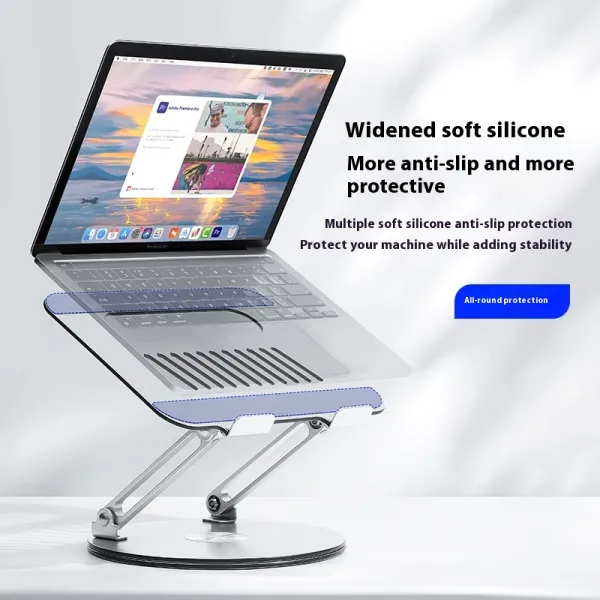
Rise Aluminium Laptop Stand
Rotatable aluminium, lifts screen to eye level
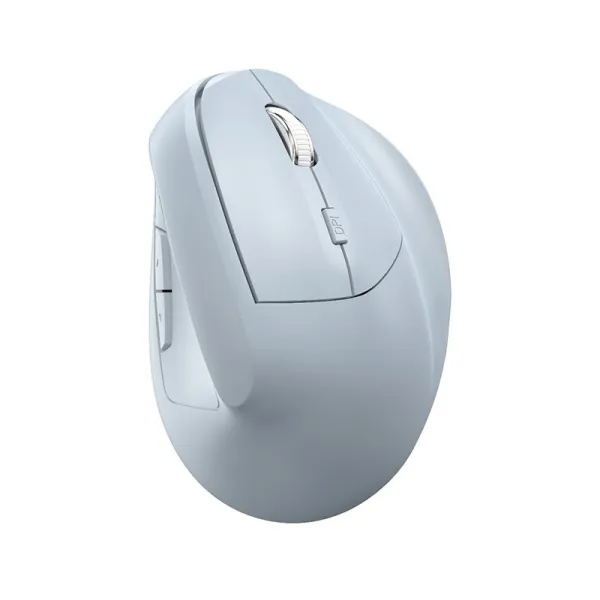
Vertex Wireless Vertical Mouse
Bluetooth vertical mouse, neutral handshake grip
The surprise: there is no legal right to work from home
Given those numbers, many people assume Dutch law guarantees home working. It does not. Under the Flexible Working Act (Wet flexibel werken), employees may submit a written request to work partly from home: but Business.gov.nl is explicit that working from home is not a legal right. The request route comes with conditions: it applies to employers with at least 10 employees, the employee must have been employed for at least six months, and the request must be submitted no later than two months before the desired start date. The employer must consider the request and needs a good reason to refuse: accepted grounds include work schedules that cannot accommodate it, tasks that cannot be performed remotely, or a home workplace that is not safe or suitable for work. Parliament did try to strengthen this: the 'Werken waar je wilt' (Work Where You Want) bill, which would have tightened the grounds for refusing a workplace request, passed the Tweede Kamer on 5 July 2022 but was rejected by the Eerste Kamer on 26 September 2023. So the Dutch settlement is cultural and contractual rather than statutory: employers grant hybrid arrangements at scale, and the law shapes the conversation without mandating the outcome.
The €2.45 question: the tax-free homeworking allowance in 2026
The Netherlands is also one of the few countries with a named, indexed, tax-free allowance for the costs of working at home. For 2026 the amount is €2.45 per day worked from home, per Business.gov.nl. It is intended to cover the extra household expenses a home day creates: coffee, heating, electricity, water: and it cannot be combined with a travel allowance for the same day: a day is either a commuting day or a home day for reimbursement purposes. Two clarifications keep expectations honest. First, the allowance is a permitted tax exemption, not an entitlement: whether an employer actually pays it is a matter for the employment contract or collective agreement. Second, it is separate from equipment: desks, chairs, screens and other workstation aids fall under the working-conditions obligations and the work-related costs scheme rather than under the €2.45, so a properly equipped home workstation is not something the daily allowance is meant to fund.
What this means for your own desk
Two practical readings follow from the Dutch rulebook, wherever in Europe you work. First, if you are an employee in the Netherlands, the Arbowet gives you a concrete conversation to have: your employer is obliged to take the home workstation seriously, so a specific, modest request: a screen raised to eye height, an ergonomic mouse, decent task lighting: is not a favour but part of a documented duty, and it is reasonable to ask. Second, note the refusal ground hiding in the Flexible Working Act: a home workplace that is not safe or suitable is a legitimate reason to turn down a home-working request. A tidy, ergonomically arranged desk is therefore not just more comfortable: it removes the easiest objection. The checkable basics are the same ones the law names: the top of the screen at about eye height so the neck stays neutral, input devices that keep the wrist straight, and enough light on the desk for paper and keyboard work. None of this requires a big budget; it requires the same short list the RI&E asks employers to walk through, applied to your own room. General workspace guidance, not legal advice for any individual situation.
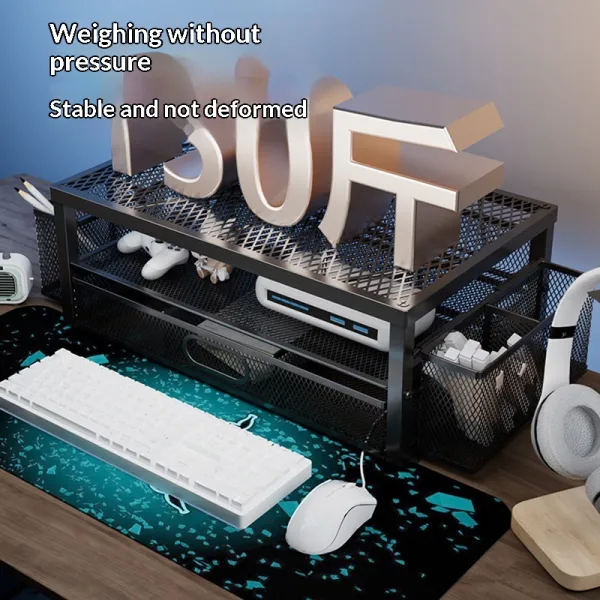
Weave Mesh Monitor Riser
Steel mesh riser with pull-out drawer
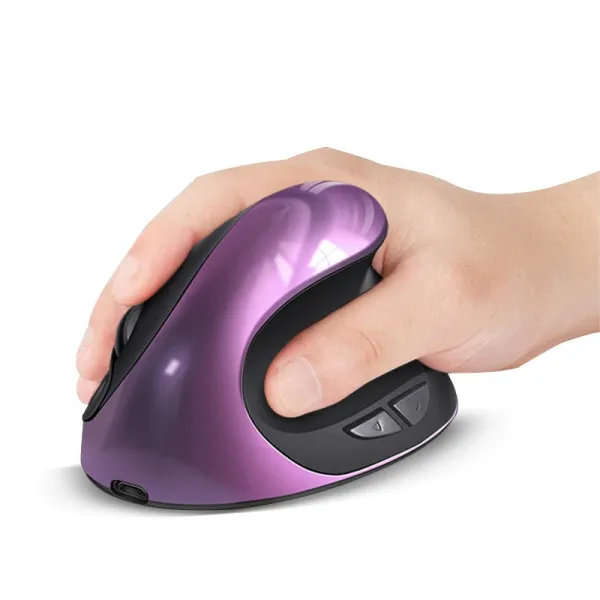
Volt Charging Vertical Mouse
Rechargeable vertical mouse: no battery swaps
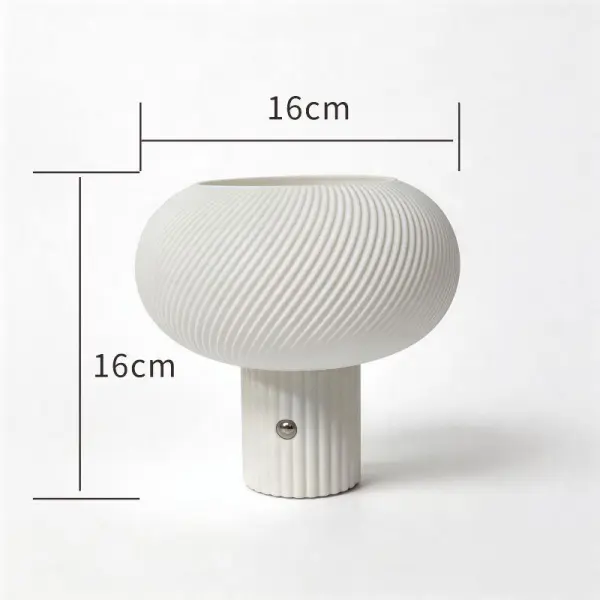
Nest Charging Desk Lamp
Dimmable eye-care light + charging nest
FAQ
Do employees in the Netherlands have a legal right to work from home?
No. Under the Flexible Working Act (Wet flexibel werken) employees of companies with at least 10 staff who have been employed for six months may submit a written request to work partly from home, at least two months before the desired start date: and the employer needs a good reason to refuse: but working from home itself is not a legal right. The 'Werken waar je wilt' bill that would have strengthened this was rejected by the Eerste Kamer on 26 September 2023.
What must a Dutch employer provide for a home office?
Under the Working Conditions Act (Arbowet), employees must be able to work safely and healthily at home. Business.gov.nl names ergonomic mice, proper lighting, desk chairs and specialised keyboards as the kind of resources employers should provide or reimburse, as far as is reasonable: and home working must be included in the mandatory risk assessment (RI&E), covering physical setup and mental workload alike.
How much is the Dutch tax-free homeworking allowance in 2026?
€2.45 per day worked from home, per the Dutch government's Business.gov.nl. It covers extra household costs such as heating and coffee, cannot be combined with a travel allowance for the same day, and is an exemption employers may use rather than an amount they are obliged to pay. Workstation equipment is covered by separate working-conditions obligations, not by this daily allowance.
Sources
- Eurostat · Employed persons working from home as a percentage of the total employment (lfsa_ehomp), 2024
- Business.gov.nl · Working conditions law for working from home
- Business.gov.nl · Working from home: your employees' rights
- Eerste Kamer · Initiatiefvoorstel Wet werken waar je wilt (35.714): verworpen 26 september 2023