The best ergonomic office chairs under €300
Under €300 is the sweet spot where genuinely adjustable chairs begin. Here is what to insist on, what to let go, and how to match a chair to your body rather than to a spec sheet.
What €300 actually buys you
Price is a rough proxy for one thing above all: how much of the chair moves. Below roughly €120, most chairs are fixed: one seat height, a backrest bolted at a single angle, armrests welded in place. They are fine for an hour, tiring by the afternoon. Somewhere around €150 the picture changes, and by the time you reach €250–300 you can expect breathable mesh or contoured foam, a proper gas lift on a five-star base, a synchronised or tension-adjustable tilt, height-adjustable armrests, and lumbar support you can actually position. It helps to know what you are not getting at this price, so you are not disappointed by the wrong things. Four-dimensional armrests (height, depth, width and pivot), a seat-depth slider, memory-foam-grade cushioning, a certified headrest and premium warranty terms tend to live above €400. That is not a reason to overspend. For most people working a standard day, the adjustments below matter far more than the ones you are skipping, and a well-set-up €200 chair beats a poorly-set-up €600 one every time.
The five adjustments that matter more than the price tag
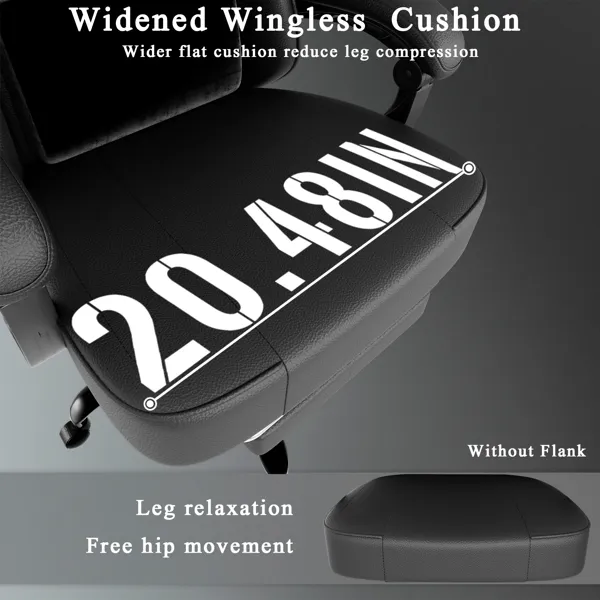
Seat height comes first. Set it so your feet rest flat on the floor, your thighs sit roughly parallel to the ground, and your knees open to somewhere between 90 and 110 degrees. Most gas lifts cover about 42–52 cm from the floor, which suits people from roughly 1.60 m to 1.90 m; if you are shorter or taller, check the stated range before buying, and add a footrest if the desk forces the seat too high. Seat depth is the quietly decisive one. With your back against the backrest, you want two to three fingers of clearance between the front edge of the seat and the back of your knees. Too deep and you perch forward, losing all the back support you paid for. A seat-depth slider solves this outright; without one, a shorter or longer seat pan is something to check against your leg length rather than ignore. The last three: lumbar support should fill the inward curve of your lower back, so height-adjustable lumbar beats a fixed bulge. A recline or tilt lets you lean back to around 100–110 degrees, which measurably lowers the load on your spinal discs compared with sitting bolt upright: look for tilt tension you can set to your weight, and the freedom to rock rather than lock rigidly. Finally, armrests should let your shoulders drop and your elbows sit near 90 degrees; height-adjustable arms that tuck under the desk are worth far more than fixed ones that hold you away from it.
Mesh or padded, and getting the fit right
Mesh and foam are a genuine preference, not a quality ladder. A good mesh back breathes, which matters in a warm room or over a long sitting day, and it distributes pressure evenly across a broad area; some people find the front seat edge a little firm. Foam contours to you and feels warmer and softer at first, but it compresses over years of use and holds heat. Neither is wrong: sit in whichever you can, and if you run hot or sit for many hours at a stretch, lean mesh. Fit is where most regret comes from, and it has nothing to do with looks. Check the seat width and depth against your own frame, confirm the stated weight rating comfortably clears yours (a Class-4 gas lift and a metal or reinforced five-star base are what you want under real daily use), and read the height range rather than assuming one-size-fits-all. A chair that is objectively excellent but half a size wrong for your body will always feel worse than a modest chair that fits.
Our picks under €300
For a do-everything daily chair, the ErgoPro Mesh Office Chair at €249.95 is the one we point most people to: breathable mesh, a full set of adjustments including tilt and height-adjustable arms, and a five-star base built for a full working day. It covers the five essentials above without asking you to stretch past the €300 line. If your budget or your room is tighter, the Lite Ergonomic Task Chair at €159.95 is a genuinely supportive compact option: less bulk, fewer moving parts, but the core posture support intact. It suits smaller spaces, second desks and lighter use. Two active-sitting alternatives deserve a mention, with a caveat. The Balance Kneeling Chair (€119.95) opens the hip angle and keeps your core lightly engaged, and the Active Saddle Stool (€99.95) has you perch upright rather than slump. Both are excellent for shorter focused stints and as a second seat you alternate into: the best posture is always the next one: but they are not backrest chairs, and few people want one as their only seat for eight hours.
When fixing the chair you have beats buying a new one
If your current chair adjusts well and only the support has gone soft, targeted add-ons can be the smarter spend. A Lumbar Back Support (€44.95) with adjustable straps restores the lower-back curve on a chair whose built-in lumbar is flat or wrongly placed. A Seat Comfort Cushion (€39.95) with pressure-relief foam revives a compressed seat pan and evens out pressure on longer days. And if the real problem is that your desk sits too high and your feet dangle, a tilting Base Footrest (€34.95) fixes your knee and hip angle for a fraction of a new chair's cost. The honest test: if the frame and mechanism are sound and only the padding or a single missing feature lets it down, patch it. If the chair cannot get your feet flat, your back supported and your elbows level no matter how you adjust it, that is a chair problem, and no cushion will save it.
Set it up once, properly
A new chair out of the box is not yet an ergonomic chair: it becomes one when you set it to you. Spend ten minutes on the order that works: seat height first (feet flat, thighs level), then seat depth (two to three fingers behind the knees), then lumbar height into the small of your back, then tilt tension so you can lean back to about 100–110 degrees without fighting it, and finally armrests so your shoulders relax. Revisit it after a week; your first guess is rarely your final setting. And remember that the healthiest thing any chair can do is let you move. Change posture often, stand up regularly, and treat even a great chair as one position among several rather than a place to freeze for eight hours. This is general guidance, not medical advice: if you have persistent or worsening back, neck or nerve pain, see a physiotherapist or doctor, who can assess your specific situation properly.
FAQ
Is a mesh chair better than a padded one?
Neither is better outright: it is a preference. Mesh breathes and spreads pressure across a wide area, which suits warm rooms and long sitting days, though the seat edge can feel firm. Foam contours and feels softer at first but holds heat and compresses over years. If you run hot or sit for many hours at a stretch, lean mesh; otherwise sit in whichever you can and trust your body.
Do I really need adjustable armrests and a headrest?
Height-adjustable armrests are worth prioritising: they let your shoulders drop and your elbows sit near 90 degrees, and they tuck under the desk instead of holding you away from it. A headrest matters far less unless you recline deeply for reading or calls: most people working upright never use one, and skipping it keeps you comfortably under €300.
My chair seems fine but my back still hurts — what now?
First check the setup: feet flat, two to three fingers behind the knees, lumbar filling your lower-back curve, and the freedom to recline slightly rather than sit bolt upright. If the frame is sound and only support has gone soft, a lumbar back support or a seat cushion can restore it. For persistent or worsening pain, this is general guidance only: see a physiotherapist or doctor for a proper assessment.
How long should a chair at this price last?
A well-built chair under €300 with a Class-4 gas lift and a reinforced five-star base should comfortably handle years of daily use. Every Deskt chair comes with free shipping in the Netherlands, a 14-day return window if it is not the right fit, and a 2-year warranty, with prices shown in euros including VAT.