Sitting vs standing: how to actually alternate
The healthiest posture is the next one. Sitting all day is hard on your back; standing all day is hard on your legs. The win is switching between them.
At a glance
| Product | Best for | Price | Warranty |
|---|---|---|---|
| Rise Aluminium Laptop Stand | Rotatable aluminium, lifts screen to eye level | € 29.95 | 2 years |
| Field Felt Desk Pad | Extended felt pad for keyboard and mouse | € 19.95 | 2 years |
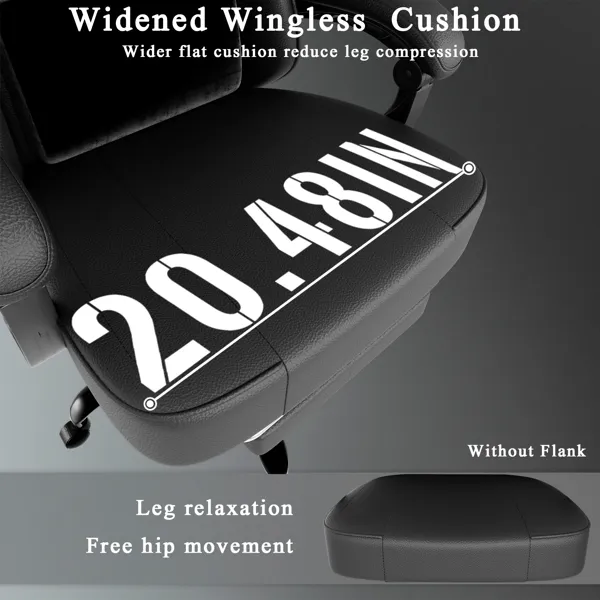
| Spring Gaming Chair with Footrest | Pocket-spring cushion, fold-out footrest | € 152.95 | 2 years |
Why alternating beats either extreme
Long static standing tires legs and lower backs just like sitting does. Changing position keeps things moving.
Turn your existing desk sit-stand
A converter lifts your monitor and keyboard together in seconds: no new desk.

Rise Aluminium Laptop Stand
Rotatable aluminium, lifts screen to eye level

Field Felt Desk Pad
Extended felt pad for keyboard and mouse
Make standing comfortable
An anti-fatigue mat takes the edge off hard floors; a footrest gives you a spot to shift weight.
FAQ
How long should I stand for?
There's no magic number: change often. Many find switching every 30–60 minutes comfortable. Listen to your body.
Do I still need a good chair if I stand?
Yes: you'll still sit for much of the day, so chair and lumbar support matter just as much.